ARE WE DOING ENOUGH?

ARE WE DOING ENOUGH?
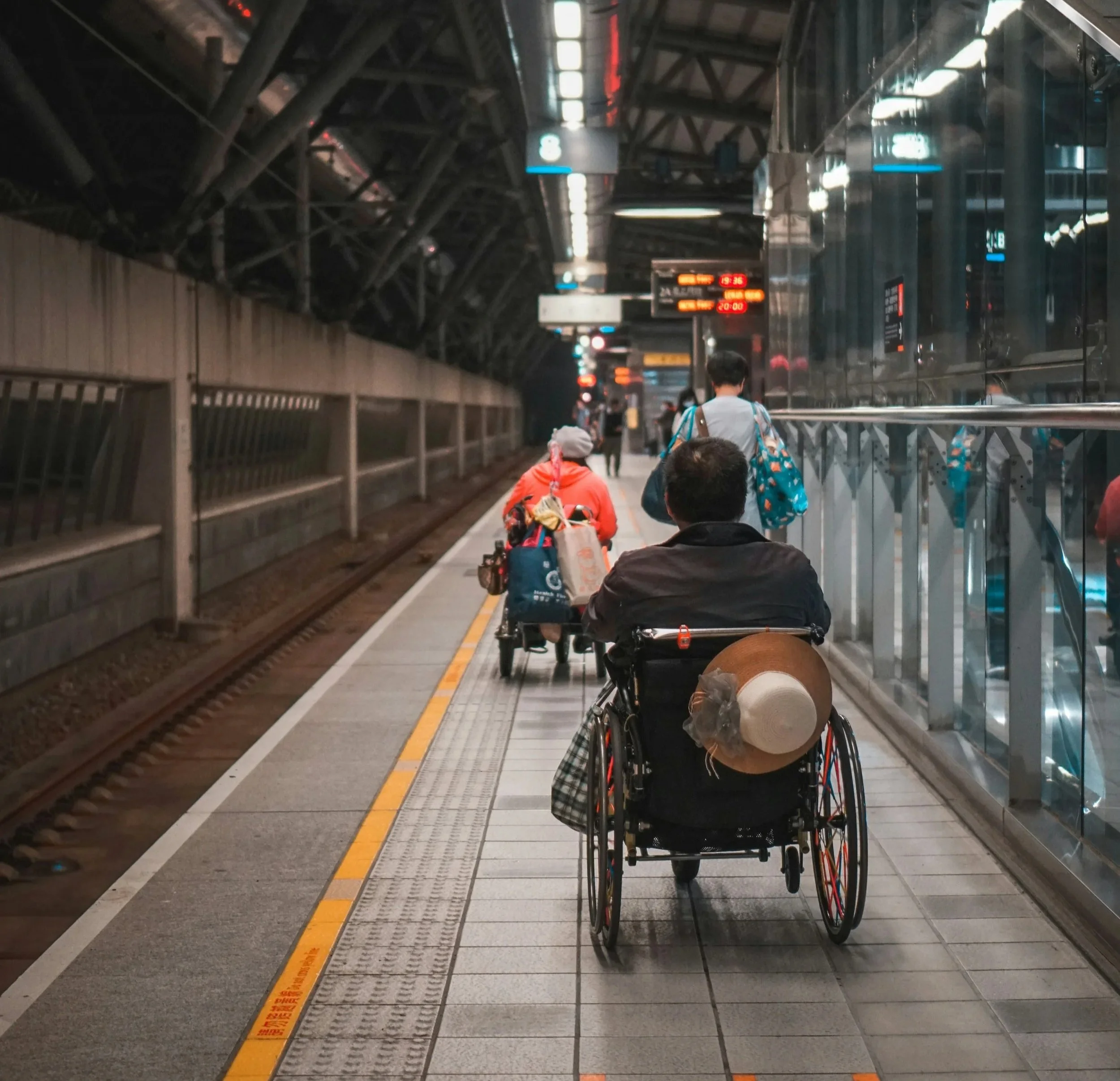
The question rarely arrives in a boardroom. It arrives in small, ordinary moments. In New York, I often hear subway announcements letting riders know that the elevators are out of service, and I find myself thinking about who can't simply register that fact and move on: someone using a wheelchair, someone navigating chronic pain, someone managing mobility that shifts from day to day. For them, getting to work may require a longer route, a backup plan, or energy that others never have to spend. That added effort becomes routine, and so does the anxiety; the design rarely changes.
DESIGN AND DEFAULT
I’ve worked in organizations that care deeply about inclusive culture. I’ve watched the language mature, policies evolve, and conversations grow more open than they were a decade ago. Still, I notice how often it depends on individuals stretching themselves to fit environments that were never built with them in mind. It shows up in performance expectations that reward speed over depth, in meeting norms that assume one style of processing, in hiring conversations where “fit” carries more weight than flexibility, and in workplace setups and policies that overlook mobility, caregiving, sensory sensitivity, or social fatigue. None of this requires ill intent; it grows out of habit and familiarity.
Over time, we build systems around what feels normal to us, and normal has a way of reflecting the majority experience. Many of us have worked alongside colleagues managing invisible disabilities and learning differences they chose not to disclose. I’ve watched talented thinkers exhaust themselves in cultures that equate constant visibility with commitment. I’ve seen people quietly exit spaces that demanded continuous adaptation. When that happens, organizations lose insight and resilience they rarely knew they were forfeiting.
IMAGINATION AND RESPONSIBILITY
The deeper question for me isn’t whether we care; it’s whether we are designing with enough imagination. Access, dignity, and autonomy are expressions of culture, not peripheral concerns. When comfort at work aligns consistently with one kind of body or one kind of processing style, that alignment reflects design decisions that deserve reflection.
I’m still learning. I notice when I default to assumptions or miss friction someone else navigates daily, and that awareness keeps the question alive. Asking whether we are doing enough is less about indictment and more about attention. It invites us to examine where endurance has quietly replaced design, and to consider what might change if we chose to build differently.
The work is complex because people are complex; the discipline lies in returning to the question with curiosity and letting it reshape how we build and evolve.